What to Know About Year-End Hearing Health Planning
Every October, Albuquerque mornings come with a familiar sound overhead.

By: admin | October 27, 2026
Every October, Albuquerque mornings come with a familiar sound overhead. You might hear the rush of a balloon burner before you even think to look up. During Balloon Fiesta, that sound becomes part of the rhythm of the city.
It also gives people a reason to notice what they are hearing. A burner fires, someone points toward the sky and a quick conversation starts. Small moments like that can make hearing changes easier to notice.
Those changes usually do not show up all at once. They are more likely to appear as another notch on the TV or a few missed words at dinner. After a while, those little adjustments start to feel normal.
October also puts the end of the year in sight. Insurance benefits, FSA funds and other deadlines can arrive faster than expected. Checking in now gives you more time to understand your options before December gets busy.
Hearing changes are easy to miss when they happen a little at a time. You adjust without realizing it, perhaps sitting closer during conversations or turning the television up one notch higher.
Regular hearing assessments give your audiologist a baseline to compare against, making small changes easier to identify from year to year.
A hearing assessment is straightforward and gives your audiologist several pieces of information about how your ears are working. You’ll usually start by talking about your health history, noise exposure and any situations where hearing feels more difficult.
Your audiologist will also look inside your ears for concerns such as wax buildup before testing how softly you hear different pitches and how well you understand speech.
Hearing loss does not always announce itself with an obvious drop in volume. More often, certain words become harder to catch while other sounds still seem perfectly loud. That difference is why someone might hear that a person is talking but struggle to understand exactly what was said.
Some common signs include:
Years of sound exposure leave their mark on the auditory system. The sensory cells inside the inner ear do not regenerate once they are damaged, so decades around power tools, machinery, concerts or other loud environments can add up. Age-related changes in the ear and auditory pathways can contribute as well.
Health history also enters the equation. Conditions that affect blood flow, including diabetes and high blood pressure, have been associated with hearing changes.
Rather than coming from one single cause, hearing loss often reflects a combination of age, noise exposure, genetics and overall health.
The effects show up differently from person to person. One person might struggle most with higher-pitched voices, while another notices that speech becomes harder to sort out when several people are talking at once.
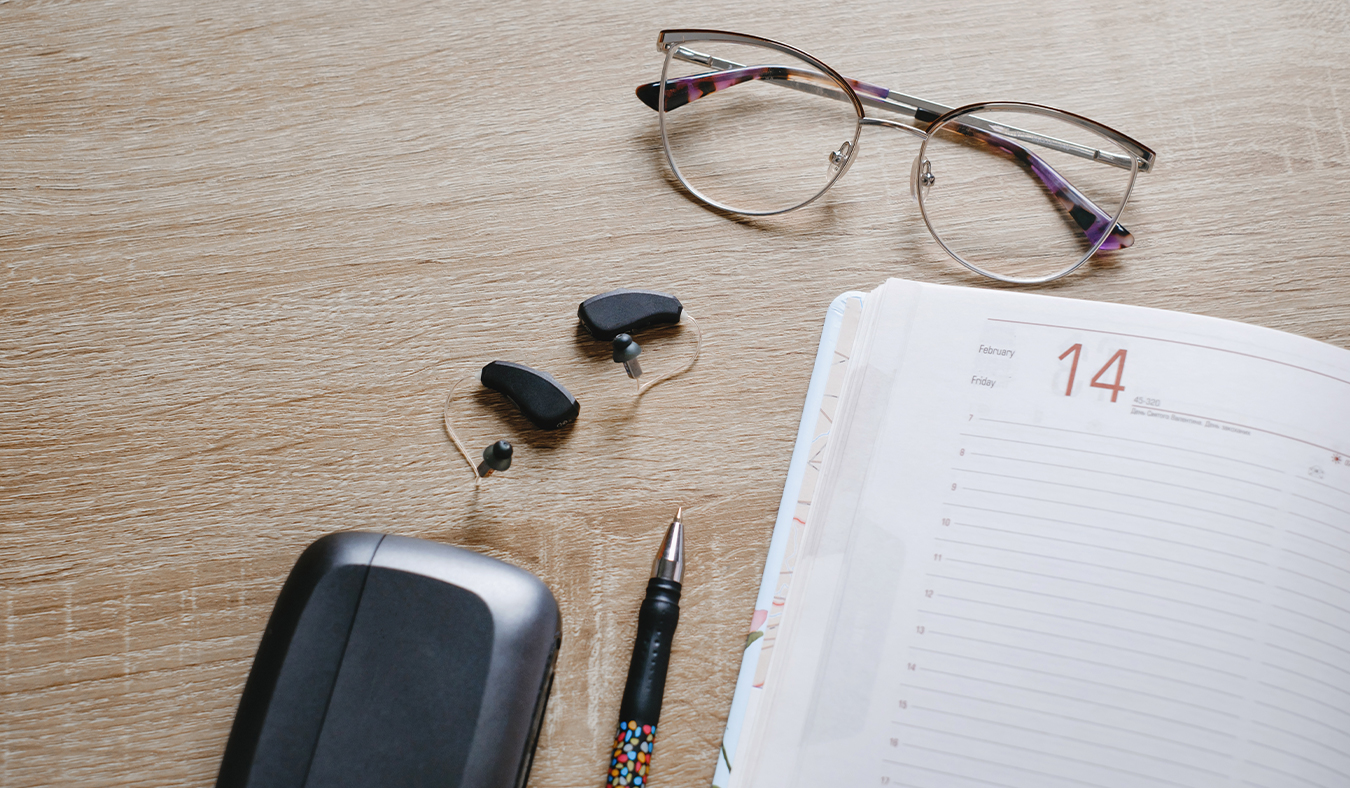
A hearing aid can still turn on and produce sound without performing as well as it should. Earwax can clog a wax guard, moisture can affect internal components and tubing or other small parts can wear with regular use.
These issues sometimes show up as weaker sound, distortion, whistling or a noticeable change in how speech sounds.
Fit deserves attention too. Ears change, earmolds wear and even small differences in positioning can affect comfort or create feedback. During a device check, your audiologist can inspect the hearing aids, clean areas that are difficult to reach and replace worn components when needed.
Programming is another part of the equation. If your hearing has changed or certain listening situations have become more difficult, your current settings might no longer be the best match.
Hearing support does not have to stop with hearing aids. Phones, televisions and other everyday devices now include accessibility settings that can make speech easier to follow without simply turning up the volume.
Take a few minutes to look through features you might not be using. Closed captions can help with television and streaming, while many smartphones offer live captions, adjustable audio settings and visual or vibration alerts. Some televisions also let you change dialogue settings, so voices stand out more clearly from music and background sound.
These tools are especially useful in situations where listening tends to take more effort. Trying a few settings now can help you figure out which ones actually make daily routines easier.
October is a smart time to review any hearing benefits you still have available before the year gets busier. Coverage in New Mexico varies by plan, so some people may have benefits for hearing exams, hearing aids or related services while others have limited coverage.
Check your plan documents or call the number on your insurance card to see what applies to you. Ask about hearing evaluations, hearing aid allowances, provider networks, copays and any authorization requirements. Confirm when your plan year ends too, since not every policy follows the same calendar.
Got a Flexible Spending Account? Check the balance now instead of waiting for December to sneak up on you. In most cases you can put FSA money toward eligible hearing-related costs. Whether unused funds carry over or get a grace period depends on your plan.
Reviewing those details in October gives you more time to understand your options, ask questions and plan around any deadlines without a year-end rush.
An appointment gives you more than test results. It is also a chance to talk through what has changed, what is working and what still feels difficult in your day-to-day life.
Consider bringing a few questions with you:
You do not need to remember everything once you are sitting in the exam room. Keeping a few questions in your phone beforehand makes it easier to cover the subjects you actually wanted to discuss.
Holiday noise does not only come from concerts. A crowded family celebration, live music or a busy evening around Old Town can become surprisingly loud. Conversations, music and background noise quickly start piling on top of one another.
When the noise starts to feel like too much, let your ears take a break. Slip outside or find a quieter room for a few minutes instead of shouting over the crowd all night. If the event is especially loud, a pair of earplugs cuts down the noise and still lets you enjoy the party.
Stepping into a quieter side room or stepping outside for a breath of fresh air gives your ears a needed break from speakers and crowded noise.
Think back to the listening situations that frustrated you most this year. Maybe dinner conversations became harder once everyone started talking, or you found yourself missing parts of conversations from another room. Those specific moments are more useful than a broad promise to “hear better.”
Pick one or two situations you would genuinely like to improve. You might sit where you can see everyone’s face during family meals or reduce background television during conversations. You could also explore a hearing aid feature you have not tried before.
A small change tied to a real situation is easier to put into practice.
Your year-end check can be practical too. Make sure your hearing aids are working properly, note any listening problems you want to discuss and review benefits or FSA funds before their applicable deadlines.
That gives you a concrete starting point for the coming year without turning hearing care into another oversized January checklist.
The weeks after Fiesta tend to move fast, and December can arrive before you expect it. If hearing has been on your mind, fall is a good time to check in. You also have more time to review any benefits before year-end deadlines arrive.
If you already wear hearing aids, a year-end check can catch small issues before they turn into bigger frustrations.
At Albuquerque Hearing and Balance in Albuquerque, New Mexico, we help you sort out what your hearing needs before the year wraps up. Our team can walk you through your results and explain how your coverage may apply.
The next time a balloon drifts over your neighborhood, you deserve to hear that burner long before it reaches the rooftops. Call us at (505) 750-9569 to schedule your appointment.
Every October, Albuquerque mornings come with a familiar sound overhead.
By: admin | October 27, 2026

If you’ve ever left something in your car during an Albuquerque
By: admin | August 24, 2026
You are at a restaurant with friends, following the conversation just fine
By: admin | May 18, 2026